TRT Replacement Therapy Near Me: Why Comprehensive Testing Comes First
@beckettwjij610
November 19, 2026 · 14 min read
Search interest in TRT replacement therapy near me has grown for a reason. More men are paying attention to fatigue, falling libido, loss of muscle, poor recovery, and brain fog that does not lift with sleep or a better diet. They want answers, and often they want them quickly. That urgency is understandable. Low testosterone can affect work, training, relationships, and mood in ways that feel deeply personal.
Still, one of the most common mistakes I see is treating testosterone as the first step instead of the last step. A good clinic does not start with a vial and a syringe. It starts with a careful history, targeted lab work, and enough clinical judgment to separate true hypogonadism from problems that only look like it on the surface.
That distinction matters more than most people realize. Testosterone levels can dip for many reasons, some temporary, some serious, and some completely unrelated to the testes themselves. If you skip the workup, you can end up taking a lifelong medication for a problem that might have improved with treatment of sleep apnea, a medication adjustment, weight loss, thyroid care, or simply repeating labs under the right conditions.
Low testosterone symptoms are real, but they are not specific
The symptoms that push men to search for local TRT are often genuine and disruptive. The challenge is that they overlap with many other conditions. Low energy could be low testosterone, but it could just as easily be chronic sleep restriction, depression, overtraining, anemia, uncontrolled diabetes, or a thyroid disorder. Reduced libido might reflect hormone imbalance, but it can also follow stress, relationship strain, heavy alcohol use, certain antidepressants, or untreated obstructive sleep apnea.
That overlap is where comprehensive testing earns its value. A patient may walk in certain that testosterone is the issue because of what he read online or what helped a friend. Then his labs show normal testosterone but a markedly elevated prolactin, or borderline anemia, or fasting glucose drifting into diabetic range. Another patient may have a total testosterone result that looks low, yet his free testosterone is acceptable once sex hormone binding globulin is considered. Another has levels that are temporarily suppressed because the blood draw happened after a brutal week of poor sleep and heavy caloric restriction.
The body does not read internet checklists. It responds to physiology, timing, illness, medications, body fat, stress, and age. That is why symptoms alone cannot make the diagnosis.
What proper testing is trying to answer
A thorough evaluation is not about creating obstacles. It is about answering a few essential clinical questions before treatment begins.
First, is testosterone actually low on reliable testing, not just once, but in a reproducible way?
Second, if it is low, is the problem originating in the testes themselves or in the brain signaling that regulates them, mainly the pituitary and hypothalamus?
Third, is there a reversible contributor that should be addressed first?
Fourth, is the person medically appropriate for TRT, and what baseline risks need to be monitored if treatment starts?
Those questions sound straightforward, but they shape everything that follows. They influence whether treatment is necessary, whether fertility needs special consideration, what dose makes sense, which formulation fits the patient, and how carefully blood counts, estradiol, prostate markers, and cardiovascular factors should be watched over time.
One low lab does not settle the matter
Testosterone testing is trickier than many people expect. Levels fluctuate through the day and are usually highest in the morning. They also vary with sleep quality, calorie intake, acute illness, medications, alcohol use, and body composition. If someone gets a single afternoon lab after four hours of sleep and a week of stress, that result has limited value.
Most experienced clinicians want at least two properly TRT replacement therapy near me timed morning testosterone measurements, especially in younger and middle aged men, paired with symptoms that make clinical sense. Depending on the laboratory and the patient’s age, the lower limit of normal can vary. That is one reason rigid online cutoffs can mislead people. A value that is technically in range may still deserve scrutiny if symptoms are strong and free testosterone is low. On the other hand, a mildly low value may normalize when repeated correctly.
The goal is not to chase a number in isolation. It is to match the labs with the person sitting in front of you.
Total testosterone is only part of the picture
Men often focus on total testosterone because that is the number most visible on a basic lab panel. Sometimes that number is enough. Often it is not.
Sex hormone binding globulin, or SHBG, can change how much testosterone is biologically available. A man with high SHBG can have a normal total testosterone but low free testosterone and significant symptoms. Another with low SHBG, which is often seen with obesity or insulin resistance, may show a lower total testosterone but maintain adequate free testosterone.
This is where more complete testing helps avoid both underdiagnosis and overtreatment. Free testosterone, whether measured directly by a reliable method or estimated in the right clinical setting, can clarify cases that otherwise look contradictory. Estradiol may also matter, particularly when symptoms include breast tenderness, fluid retention, or emotional volatility, though it should never be interpreted in a vacuum.
A rushed clinic might skip this nuance. A careful one will not.
The supporting labs that separate good care from shortcut medicine
When someone searches for TRT replacement therapy near me, they are usually looking for access and convenience. Fair enough. But the better question is whether the clinic uses a real diagnostic process. Comprehensive testing usually extends beyond testosterone itself because the endocrine system does not operate in isolation.
Here are the baseline labs and evaluations that often matter most:
- total testosterone, repeated on separate mornings when appropriate
- free testosterone and SHBG when the clinical picture is unclear
- LH and FSH to help distinguish primary from secondary hypogonadism
- CBC, CMP, thyroid studies, and often prolactin to screen for common confounders and safety issues
- PSA and additional prostate assessment when age, history, or symptoms warrant it
That list is not exhaustive, and not every patient needs the exact same panel. The point is that meaningful evaluation looks broader than a single testosterone result.
LH and FSH deserve special mention. These pituitary hormones help determine whether the testes are failing to respond or whether the signaling from the brain is inadequate. That difference matters. Primary hypogonadism and secondary hypogonadism can look similar symptomatically, but they do not arise from the same mechanism. Secondary causes may be linked to obesity, sleep apnea, medications such as opioids, pituitary issues, or major systemic illness. In rare cases, a high prolactin or severe pituitary problem changes the entire workup.
The complete blood count also matters more than patients expect. Testosterone can raise hematocrit in some men. If someone starts therapy with a high baseline hematocrit, perhaps from smoking, sleep apnea, dehydration, or living at altitude, that needs attention before treatment. Ignoring it is not harmless.
Fertility changes the conversation immediately
This is one of the most important and most frequently overlooked issues in testosterone care. If a man wants children now or even possibly in the next few years, that should be discussed before the first prescription is written.
Exogenous testosterone can suppress the body’s natural production of sperm. Some men assume testosterone will improve fertility because it improves masculine traits or sexual drive. Physiologically, the opposite can happen. A patient may feel better on TRT and still see a decline in sperm production because the brain reduces LH and FSH output when outside testosterone is introduced.
This is not a small footnote. It changes treatment planning. Men with fertility goals may need a different strategy entirely, sometimes involving selective estrogen receptor modulators, hCG, or referral to a reproductive specialist rather than standard TRT. Anyone offering quick-start testosterone without asking about future family plans is skipping one of the most important parts of informed consent.
I have seen men blindsided by this. They were told testosterone would help them feel younger, which it may, but no one fully explained the fertility tradeoff. By the time they asked the right questions, they were already trying to reverse suppression under a deadline set by life, not by ideal endocrine timing.
Sleep apnea, obesity, and medication effects are common mimics
Not every low testosterone level represents a permanent deficiency. Some of the most common drivers are also the most fixable.
Sleep apnea is high on that list. Repeated nighttime oxygen drops and fragmented sleep can crush energy, libido, and morning testosterone levels. A man may present convinced that he needs TRT, yet the better first move is a sleep study and treatment with CPAP or another appropriate intervention. When sleep improves, hormones often improve with it.
Excess visceral fat also plays a significant role. Adipose tissue influences hormone metabolism and insulin resistance, which can lower testosterone and alter SHBG. This does not mean every heavier man should be told to lose weight and come back later. Symptoms deserve respect, and obesity itself can be part of a legitimate hypogonadal picture. But it does mean treatment should be individualized. Sometimes hormone therapy is appropriate. Sometimes lifestyle, sleep, and metabolic treatment should lead.
Medication effects are another major factor. Chronic opioids are well known to suppress testosterone. Certain psychiatric medications, glucocorticoids, and heavy alcohol use can also contribute. If no one reviews the medication list carefully, the real culprit can be missed.
Why online symptom quizzes are not enough
Direct-to-consumer marketing has changed the landscape. Men can complete a short questionnaire, report fatigue and low sex drive, and receive the impression that low T is almost certain. These screening tools are built to capture attention, not to make a diagnosis.
There is nothing wrong with becoming aware of possible symptoms. The problem starts when marketing creates certainty where there should be curiosity. A symptom quiz cannot detect thyroid disease, elevated prolactin, anemia, liver issues, diabetes, or untreated sleep apnea. It cannot tell whether your testosterone result was drawn at the right time, whether your SHBG is skewing interpretation, or whether you are likely to tolerate treatment safely.
Convenience has its place. So does telemedicine, when used responsibly. But convenience without diagnostic rigor turns hormone care into retail medicine, and retail medicine tends to be generous with prescriptions and light on nuance.
What a thoughtful local TRT evaluation often looks like
A quality clinic visit usually feels slower than people expect, and that is a good sign. The provider should ask when symptoms started, how sleep looks, whether body weight has changed, what medications are on board, whether there is snoring or witnessed apnea, whether there has been head trauma, anabolic steroid use, testicular injury, or fertility concerns. Training load, alcohol intake, and stress level matter too.
The physical exam may include blood pressure, waist circumference, testicular findings when appropriate, and clues to thyroid dysfunction or sleep-disordered breathing. Good care often includes discussing what testosterone can realistically improve and what it cannot. Not every patient becomes a different person on TRT. Libido may improve. Energy may improve. Body composition often changes slowly, especially if exercise and diet are in place. But TRT is not a substitute for sleep, mental health care, or metabolic treatment.
If the workup supports treatment, the next conversation should cover formulation options, injections versus gels or other methods, cost, convenience, side effects, fertility implications, and follow-up labs. That is a medical relationship, not a transaction.
Red flags when choosing a clinic
Patients often ask how to tell whether a local provider takes this seriously. A few patterns should prompt caution.
- testosterone offered after one brief visit with minimal history
- treatment started after a single lab draw, especially if timing was poor
- no discussion of fertility, sleep apnea, hematocrit, or prostate monitoring
- one-size-fits-all dosing and mandatory add-on medications for everyone
- pressure tactics, prepaid packages, or promises that sound too neat
A reputable clinic does not need to oversell. It can explain the process, set expectations, and show its reasoning. If every patient gets the same protocol regardless of age, symptoms, baseline labs, and goals, that is not personalized hormone care.
Comprehensive testing protects more than your diagnosis
Most people think testing exists to decide whether they qualify for TRT. That is only part of its purpose. It also establishes a safe starting point.
If baseline hematocrit is already high, therapy could push it higher and increase the need for adjustments or further evaluation. If blood pressure is uncontrolled, if there are symptoms of severe sleep apnea, or if PSA is unexpectedly abnormal, those issues deserve attention before hormones are layered on top. If estradiol is already elevated because of body composition and metabolic factors, that shapes how symptoms are interpreted and monitored.
Comprehensive testing also prevents blame from landing in the wrong place later. If a man starts therapy without baseline data and then develops acne, rising hematocrit, worsening blood pressure, or fluctuating mood, it is much harder to determine what changed and why. Good baselines create better decisions.
The question behind “near me” should be quality, not just distance
When people search for TRT replacement therapy near me, they often mean they want a clinic that is close, convenient, and easy to access. That is reasonable. But the truly important filter is not geography. It is whether the clinic treats testosterone deficiency as an endocrine diagnosis or as a product line.
A clinic can have a polished website, fast scheduling, and aggressive advertising yet still cut corners. Another may have a less flashy presence but provide careful history-taking, repeat testing, sensible follow-up, and honest answers when TRT is not the right first move.
That difference becomes obvious in the first few interactions. Are your symptoms explored in context, or are they simply used to justify treatment? Are alternatives discussed? Is there a plan for monitoring every few months at the beginning? Are you told what would make the provider hesitate or investigate further? Serious medicine includes thresholds, cautions, and uncertainty. Salesmanship avoids all three.
When TRT may be appropriate after the workup
TRT replacement therapy near meNone of this is meant to argue against testosterone therapy. For properly selected patients, TRT can be genuinely beneficial. Men with persistent symptoms, repeatedly confirmed low testosterone, and a workup that fits the diagnosis often feel a meaningful difference. Energy can improve. Libido and erectile function may improve. Recovery and lean mass may improve, especially when paired with resistance training, sleep, and nutrition.
The key is that treatment works best when it follows diagnosis, not when it replaces it. That order sounds obvious, but it is not always what happens in practice.
The men who do best long term are usually the ones who begin with accurate expectations. They understand that TRT is often ongoing therapy, not a quick reset. They know follow-up labs matter. They recognize that dosing may need adjustment, that side effects require attention, and that better hormones do not erase poor sleep, heavy drinking, or chronic stress.
A better first appointment leads to better long-term results
The strongest TRT programs are not the fastest ones. They are the ones that leave fewer blind spots. A patient who gets proper testing before treatment is more likely to receive the right diagnosis, avoid preventable complications, protect fertility when it matters, and know what success should look like six months down the road.
If you are comparing clinics, ask how they diagnose low testosterone, what labs they run before treatment, whether they repeat abnormal results, how they address fertility, and how they monitor hematocrit, PSA, and symptom response after therapy starts. The answers tell you almost everything you need to know.
Testosterone therapy can be useful medicine. It can also be overused, mistimed, or poorly supervised. Comprehensive testing is what separates the two. When that part comes first, the rest of the plan has a much better chance of being both effective and safe.
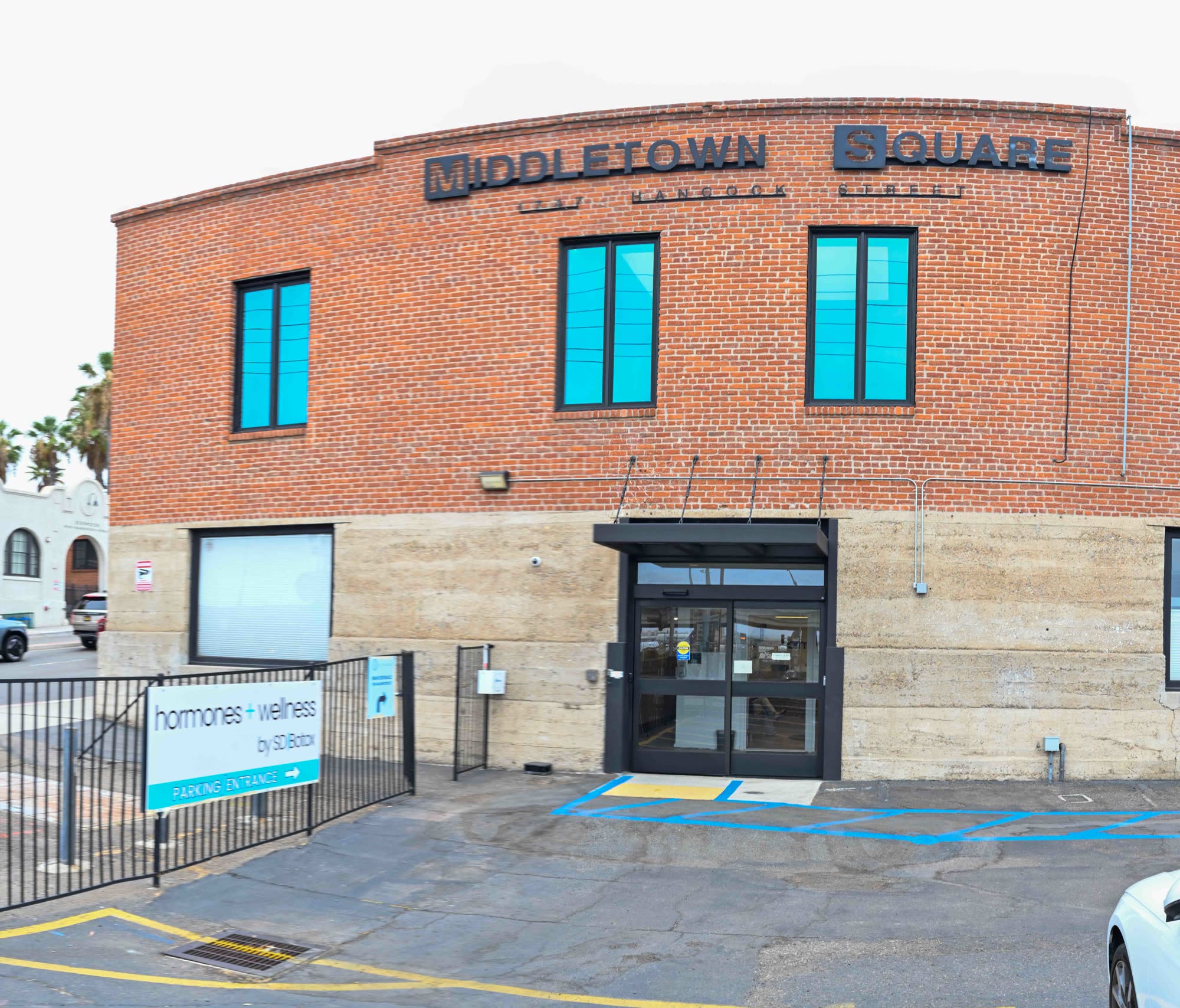
SDBody Mission Hills
Address: 1747 Hancock St Ste C, San Diego, CA 92101
Phone: (619) 772-0252
FAQ About TRT replacement therapy near me
How do I know if I need testosterone replacement therapy?
A clinician evaluates your symptoms and medical history and usually checks testosterone on two separate mornings. Consistently low levels and compatible symptoms help guide the decision.
What monitoring is needed during testosterone replacement therapy?
Follow-up usually includes a review of symptoms, testosterone levels and red blood cell counts. Your clinician may recommend additional monitoring based on your health history.
Can testosterone replacement therapy affect fertility?
Prescribed testosterone can reduce sperm production. Tell your clinician if you plan to have children so you can discuss your options before starting treatment.