TRT Replacement Therapy Near Me: Finding Safe and Professional Hormone Care
@beckettwjij610
November 19, 2026 · 13 min read
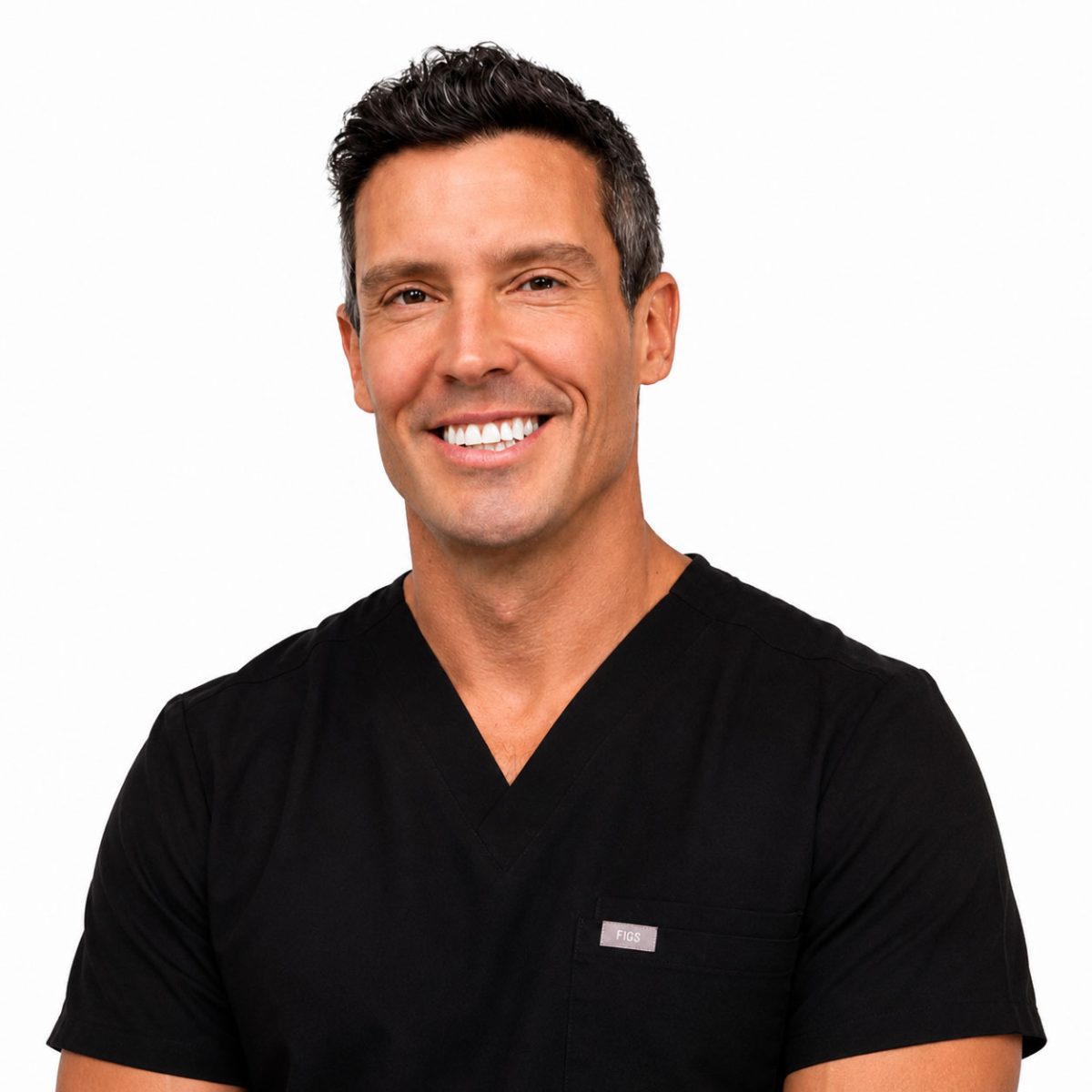


Searching for TRT replacement therapy near me usually starts with a symptom, not a keyword. A man notices he is dragging through the afternoon despite decent sleep. Workouts stop producing results. Sex drive fades. Mood flattens out. He assumes stress, age, poor diet, maybe all three. Then he hears about testosterone replacement therapy and wonders whether low testosterone could explain the shift.
That first instinct is understandable, but it is also where people can take a wrong turn. TRT is not a casual wellness add-on, and it is not something that should be started because a clinic offers a fast online quiz and a same-day prescription. Done properly, testosterone replacement therapy is medical care. It starts with diagnosis, not marketing. It requires lab work, careful screening, follow-up, and a clinician who knows how to manage both benefits and risks.
If you are trying to find professional hormone care in your area, the goal is not simply to locate the nearest clinic. The real task is finding a provider who treats the whole picture, symptoms, lab values, underlying causes, long-term monitoring, and the patient in front of them.
Why location matters, but not in the way most people think
When people search for nearby TRT, convenience is often the first priority. That makes sense. Hormone care usually involves blood tests, follow-up visits, prescription management, and periodic dose adjustments. If a clinic is impossible to reach or operates on a rigid schedule, it becomes harder to stay consistent.
Still, the nearest option is not automatically the best option. A safe TRT program depends less on zip code and more on clinical standards. A reputable local clinic should be able to explain its diagnostic process clearly, review your health history in detail, and discuss what testosterone can and cannot do. If a provider seems more interested in selling monthly packages than understanding your symptoms, distance is the least important problem in the room.
There is also a practical distinction between local, hybrid, and telehealth-based hormone care. Some men do well with a nearby in-person practice, especially if they prefer face-to-face visits or have complex medical issues. Others use telemedicine combined with local lab access and pharmacy fulfillment. Neither model is automatically better. What matters is whether the medical oversight is real, responsive, and evidence-based.
What TRT is actually for
Testosterone replacement therapy is used to treat men with clinically significant testosterone deficiency, often called hypogonadism. That diagnosis is not based on symptoms alone. Fatigue, low libido, reduced muscle mass, brain fog, depressed mood, and erectile changes can overlap with poor sleep, obesity, high stress, medication effects, diabetes, thyroid disease, depression, or heavy alcohol use. I have seen more than a few men convinced they needed TRT when the deeper problem turned out to be untreated sleep apnea or major weight gain over a few years.
That is why serious clinicians avoid jumping straight from symptom checklist to prescription pad. They want repeat morning testosterone testing, often along with related labs such as free testosterone, luteinizing hormone, follicle-stimulating hormone, estradiol in some cases, complete blood count, metabolic markers, and prostate-related screening when appropriate for age and risk.
A single low lab on a bad night of sleep should not lock someone into long-term hormone treatment. On the other hand, a man with persistent symptoms, repeatedly low morning testosterone, and no reversible cause deserves a careful conversation about treatment options.
The signs of a credible TRT clinic
Good hormone care usually has a certain feel to it. The pace is more measured. The questions are better. The provider wants specifics. They ask when symptoms started, how they affect your life, whether fertility matters, what medications you take, whether you snore, whether you have had head trauma, whether you use opioids, and how much alcohol you drink. These details matter because testosterone exists inside a larger endocrine and cardiovascular picture.
A strong clinic should also be transparent about monitoring. Testosterone is not a one-and-done prescription. Dosing often needs adjustment. Hematocrit can rise. Estradiol-related symptoms may show up. Blood pressure, sleep quality, mood, and libido can all shift in ways that need context, not guesswork.
Here are a few signs you are dealing with a serious practice rather than a testosterone mill:
- They require proper lab testing before treatment.
- They review medical history, medications, and fertility goals.
- They explain monitoring intervals and possible side effects clearly.
- They do not promise dramatic results on a guaranteed timeline.
- They are willing to say you may not be a good candidate.
That last point matters more than people expect. A provider who sometimes advises against TRT is usually more trustworthy than one who prescribes it to every tired man who walks through the door.
What the first evaluation should look like
A professional TRT evaluation should feel more like internal medicine than retail wellness. You should expect a review of symptoms, health history, and lifestyle, followed by lab work timed appropriately, usually in the morning when testosterone levels are highest. If prior testing exists, a careful clinic will still want to know the conditions around those results and may repeat them for confirmation.
The medical interview should explore more than libido and gym performance. Good clinicians ask about sleep patterns, erections, mood, concentration, body composition changes, exercise tolerance, fertility plans, and past medical issues. They often review cardiovascular risk, family history, and any prior use of anabolic steroids or testosterone products. These are not side questions. They shape whether TRT is appropriate and how it should be managed.
In some cases, the right answer is not immediate treatment. A man with obesity, poor sleep, heavy alcohol use, and borderline low testosterone may improve significantly after weight loss, better sleep, and treatment of sleep apnea. That does not make the symptoms less real. It means the root cause may be modifiable.
Red flags that should make you slow down
The market for men’s hormone treatment has grown quickly, and quality varies a lot. Some clinics practice carefully. Others build a business around speed and recurring memberships. When people search “TRT replacement therapy near me,” they often find polished websites that promise energy, confidence, muscle gain, and renewed intimacy. Marketing is not proof of poor care, but it should never replace clinical judgment.
If a clinic prescribes after a brief form, skips repeat testing, or treats every lab value below an aggressive threshold as an automatic green light, be cautious. The same goes for clinics that sell large bundles of supplements, peptides, or add-on medications before you even understand your diagnosis. Medicine gets fuzzy fast when the business model rewards volume more than outcomes.
One issue that deserves special attention is fertility. Testosterone therapy can reduce sperm production, sometimes substantially. Many men do not realize this until they are already on treatment and trying to conceive. A competent provider will ask about fertility before starting therapy, not after. If having children matters now or in the future, that conversation needs to happen early.
The forms of TRT and how clinics choose between them
There is no single best method for every patient. Testosterone can be delivered through injections, gels, patches, pellets, and in some settings other formulations. Each has trade-offs in convenience, cost, blood level stability, and side effects.
Injections are common because they are often effective and relatively affordable. Some men do well with weekly or more frequent dosing, especially when a clinician aims to reduce peaks and troughs. Gels can work well for men who prefer avoiding needles, but they require daily use and care to prevent accidental transfer to partners or children. Pellets appeal to those who want less frequent dosing, though they involve a procedural visit and offer less flexibility if dose adjustments are needed.
What matters most is whether the recommendation fits your priorities and medical profile. A good clinic explains why it prefers one route over another and how it will monitor the result. If the answer is simply “this is what we give everyone,” that is not individualized care.
Cost, convenience, and the reality of follow-up
For many patients, cost influences where they go for TRT as much as clinical quality. Pricing can vary widely. Some practices bill office visits and labs separately. Others offer membership-style care that bundles follow-up and prescription management. Medication cost itself can also differ based on formulation, dose, pharmacy, and whether insurance is involved.
Lower sticker price does not always mean better value. A cheap program that skips monitoring can become expensive if complications or poor symptom control show up later. On the other hand, a very high monthly fee does not guarantee superior care. The important thing is understanding what you are paying for. Ask whether lab work is included, how often follow-ups occur, how quickly messages are returned, whether dose changes are covered, and what happens if side effects develop.
A well-run clinic should be able to answer these questions without sounding evasive. If billing feels murky before treatment, it usually gets murkier after treatment starts.
What results are realistic, and how long do they take?
One of the easiest ways to spot overselling is to listen for certainty where uncertainty belongs. TRT can help the right patient, sometimes dramatically, but response is not identical from one person to the next. Some men notice changes in libido, energy, or mood within a few weeks. For body composition, strength, and fuller symptom stabilization, the timeline is often longer, sometimes several months or more depending on training, diet, sleep, age, and baseline health.
The other reality is that testosterone does not cancel out bad habits. If someone is sleeping five hours a night, drinking heavily on weekends, skipping exercise, and carrying significant visceral fat, TRT may not feel as transformative as the ads suggest. Good clinicians are honest about this. They treat testosterone as one tool, not a magic override for every health problem in a middle-aged body.
A memorable example from practice settings like these involves men who arrive focused entirely on a number. They want their level “optimized” to whatever benchmark they saw online. The better conversation is always symptom-based and health-based. A man with modest lab improvement and much better function is doing better than a man chasing bigger numbers while dealing with elevated hematocrit, acne, mood swings, or worsening sleep apnea.
Monitoring is where safe TRT either succeeds or fails
Starting TRT is only the beginning. The quality of follow-up often determines whether treatment remains safe and useful over time. This is where experienced hormone care separates itself from quick-prescription clinics.
Most patients need periodic labs after starting therapy to assess testosterone levels, blood counts, and other relevant markers based on age, symptoms, risk factors, and the treatment plan. Follow-up visits should review more than the lab sheet. They should cover sexual function, energy, mood, sleep, blood pressure, weight, training response, and any side effects. It is not unusual to need dose adjustments, timing changes, or a reassessment of whether treatment is truly helping.
A clinic that disappears after writing the prescription is not practicing good medicine. Problems often emerge gradually. Red blood cell counts can creep up. Blood pressure can change. Snoring can worsen. Some men feel overstimulated on higher doses even if the lab number looks “great.” A skilled provider pays attention to the whole patient and adjusts accordingly.
Questions worth asking before you commit
Choosing a TRT clinic is easier when you ask direct questions. You are not being difficult. You are screening for competence.
- How do you confirm low testosterone before prescribing?
- What labs do you check before treatment and during follow-up?
- How do you handle patients who want fertility preserved?
- What forms of testosterone do you offer, and why?
- What symptoms or lab changes would make you lower the dose or pause treatment?
The answers should sound specific and medically grounded. Vague reassurances, aggressive sales language, or guaranteed outcome claims are all reasons to keep looking.
Why local reputation still counts
Online reviews can be useful, but they need interpretation. Five-star ratings often reflect friendliness, short wait times, and office aesthetics more than long-term outcomes. Look for patterns instead. Do patients mention careful lab review, responsive follow-up, and thoughtful communication? Or do they mainly praise speed, convenience, and “feeling amazing” after a week?
If you have a primary care physician, urologist, or endocrinologist you trust, asking for a referral can save time. Not every primary care doctor manages TRT regularly, but many know which local practices take hormone care seriously. That kind of professional reputation tends to matter more than ad copy.
There is also value in accessibility. If something feels off after you start treatment, you want a clinic that answers calls, reviews symptoms promptly, and can adjust the plan without making you wait a month. Hormone therapy is easier to do safely when the relationship with the provider is active rather than transactional.
The role of lifestyle, even when TRT is appropriate
A surprising number of patients expect testosterone to carry the full load. In practice, the men who do best usually treat TRT as part of a larger reset. Sleep, resistance training, protein intake, alcohol reduction, weight management, and stress control all influence how a person feels on therapy. Some of these habits also affect natural testosterone production and symptom burden before treatment begins.
That is why the best clinics often give lifestyle advice that sounds almost boring compared with the promise of a prescription. Screen for sleep apnea. Lift consistently. Lose excess body fat. Review medications that may be suppressing hormones. Cut back on alcohol. Those recommendations are not filler. They materially affect outcomes.
In some SDBody Mission Hills TRT replacement therapy near me cases, lifestyle changes reduce the need for TRT. In others, they make TRT work better and more safely. Either way, a provider who discusses them is usually practicing with more maturity than one who offers only medication and enthusiasm.
Finding the right fit near you
If you are actively looking for TRT replacement therapy near me, try to think beyond proximity and branding. The right clinic is one that combines convenience with disciplined medicine. It confirms the diagnosis carefully, explains options plainly, monitors treatment responsibly, and respects the fact that testosterone therapy has both upside and risk.
For some men, that clinic will be a local urology practice with deep hormone experience. For others, it will be an endocrinology office or a specialized men’s health clinic with strong protocols and reliable follow-up. Sometimes a hybrid telehealth model works well, especially in areas with fewer specialists, provided the medical oversight is real and lab access is straightforward.
The key is not to rush. A few extra days spent comparing clinics, asking better questions, and reviewing how they diagnose and monitor can save months of frustration later. Good TRT care should feel deliberate, individualized, and medically sound. If it feels like a hard sell, it probably is.
Hormone treatment can be life-changing for the right patient. It can also be disappointing, unnecessary, or poorly managed in the wrong setting. When you search locally, look for clinicians who practice with restraint, clarity, and follow-through. Those qualities matter far more than the promise of fast results, and they are the best signs you have found safe, professional hormone care.
SDBody Mission Hills
Address: 1747 Hancock St Ste C, San Diego, CA 92101
Phone: (619) 772-0252
FAQ About TRT replacement therapy near me
How do I know if I need testosterone replacement therapy?
A clinician evaluates your symptoms and medical history and usually checks testosterone on two separate mornings. Consistently low levels and compatible symptoms help guide the decision.
What monitoring is needed during testosterone replacement therapy?
Follow-up usually includes a review of symptoms, testosterone levels and red blood cell counts. Your clinician may recommend additional monitoring based on your health history.
Can testosterone replacement therapy affect fertility?
Prescribed testosterone can reduce sperm production. Tell your clinician if you plan to have children so you can discuss your options before starting treatment.